Starting an online store is easier than ever before, but growing it into a successful business requires planning, consistency, and patience. Many beginners launch an online store and expect immediate sales, only to become discouraged when growth takes time.
The good news is that by following a step-by-step approach, you can steadily increase visitors, improve customer trust, and generate more sales over time.
This guide explains how beginners can grow an online store from the ground up using proven strategies and best practices.
Step 1: Choose the Right E-commerce Platform
Before you can grow your store, you need a reliable platform.
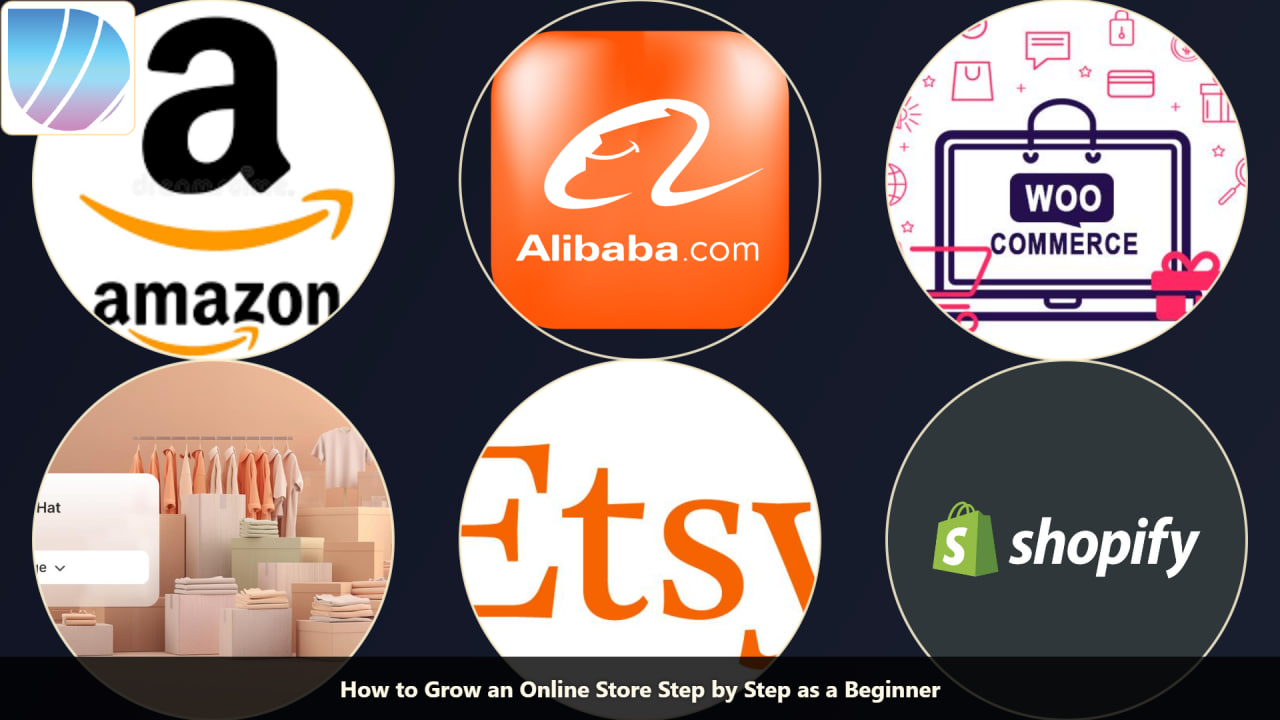
Popular e-commerce platforms include:
When selecting a platform, consider:
- Ease of use
- Cost
- Customization options
- Payment methods
- Scalability
Choose a platform that fits your current needs while allowing room for future growth.
Step 2: Select a Profitable Product Niche
A niche is the specific category of products you sell.
Examples include:
- Fashion accessories
- Home décor
- Electronics accessories
- Fitness products
- Educational materials
- Pet supplies
Avoid trying to sell everything at once. Focusing on a specific niche helps attract a targeted audience and build brand recognition.
Step 3: Create a Professional Store Design
First impressions matter.
Your online store should be:
- Easy to navigate
- Mobile-friendly
- Fast-loading
- Visually appealing
- Professional-looking
Important pages include:
- Home Page
- About Us
- Contact Page
- Privacy Policy
- Terms and Conditions
- Shipping Policy
- Return and Refund Policy
These pages help establish trust and are important for advertising programs such as Google AdSense.
Step 4: Write High-Quality Product Descriptions
Many beginners simply copy product descriptions from suppliers.
Instead, create original descriptions that explain:
- Product features
- Benefits
- Materials
- Dimensions
- Usage instructions
Example
Instead of:
"High-quality water bottle."
Write:
"This reusable stainless-steel water bottle is designed to keep drinks cold for up to 12 hours and hot for up to 6 hours, making it ideal for work, travel, and outdoor activities."
Detailed descriptions help customers make informed purchasing decisions.
Step 5: Use High-Quality Product Images
Good images significantly impact sales.
Your product photos should:
- Be clear and sharp
- Show multiple angles
- Display product details
- Use consistent backgrounds
Customers cannot physically inspect products online, so images play a major role in purchasing decisions.
Step 6: Optimize Your Store for Search Engines
Search Engine Optimization (SEO) helps potential customers find your store through search engines.
Basic SEO practices include:
Keyword Research
Identify words people search for related to your products.
Optimized Product Titles
Use clear and descriptive titles.
Meta Descriptions
Create concise summaries for search engine results.
Internal Linking
Connect related products and articles within your website.
Blog Content
Publish useful articles related to your niche.
SEO can generate long-term organic traffic without relying entirely on paid advertising.
Step 7: Create Valuable Blog Content
Blogging can help attract visitors who may later become customers.
Example topics:
- Product guides
- Buying tips
- Industry trends
- Tutorials
- Frequently asked questions
For example, if you sell fitness products, you might publish:
- Beginner workout guides
- Healthy lifestyle tips
- Exercise equipment reviews
Helpful content builds authority and trust.
Step 8: Build a Social Media Presence
Social media can help increase visibility and customer engagement.
Popular platforms include:
Share:
- Product photos
- Customer testimonials
- Behind-the-scenes content
- Educational posts
- Special promotions
Consistency is more important than posting large amounts of content.
Step 9: Focus on Customer Service
Excellent customer service encourages repeat purchases.
Best practices include:
- Respond quickly to inquiries
- Provide clear information
- Resolve issues professionally
- Keep customers informed about orders
Happy customers often become repeat buyers and recommend your store to others.
Step 10: Collect Customer Reviews
Reviews increase trust and credibility.
Encourage customers to leave feedback after purchases.
Positive reviews can:
- Improve conversion rates
- Increase customer confidence
- Strengthen your brand reputation
Always respond professionally to both positive and negative feedback.
Step 11: Build an Email List
Email marketing remains one of the most effective ways to grow an online store.
You can use email to:
- Announce new products
- Share promotions
- Provide helpful content
- Recover abandoned carts
A growing email list becomes a valuable long-term business asset.
Step 12: Analyze Performance Data
Successful store owners regularly monitor performance.
Track metrics such as:
- Website visitors
- Conversion rates
- Popular products
- Customer retention
- Traffic sources
Analyzing data helps identify opportunities for improvement.
Common Beginner Mistakes
Avoid these common errors:
Expecting Immediate Results
Growth usually takes time and consistent effort.
Ignoring Mobile Users
Many customers shop from smartphones.
Poor Product Descriptions
Incomplete information can reduce sales.
Inconsistent Marketing
Regular promotion is important for visibility.
Neglecting Customer Support
Poor service can damage your reputation.
Long-Term Growth Strategies
As your store develops, consider:
- Expanding product lines
- Improving website design
- Partnering with influencers
- Creating video content
- Building a recognizable brand
- Investing in advertising
Sustainable growth comes from continuous improvement rather than quick fixes.
Conclusion
Growing an online store as a beginner is a gradual process that requires planning, learning, and consistent effort. By choosing the right platform, focusing on customer experience, creating valuable content, optimizing for search engines, and building trust with your audience, you can steadily increase traffic and sales.
Success rarely happens overnight. Store owners who remain patient, continue learning, and consistently provide value to customers are more likely to build a profitable and sustainable online business over time.