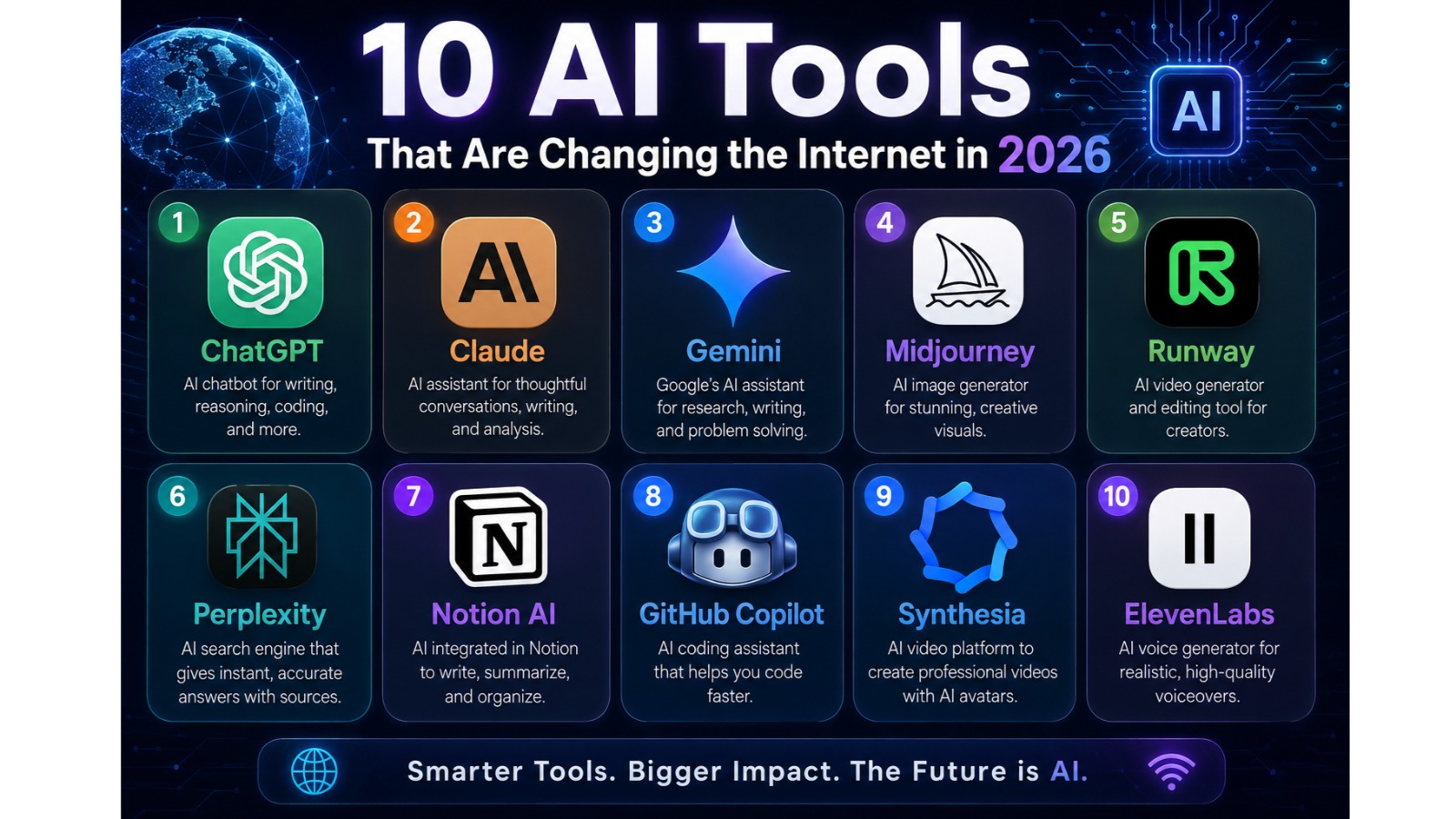
Discover the 10 most influential AI tools transforming the internet in 2026. From content creation and coding to design and automation, these AI platforms are reshaping how people work, learn, and create online.
Introduction
Artificial Intelligence is no longer a futuristic concept—it's now a core part of everyday internet use. In 2026, AI tools are helping businesses automate tasks, creators produce content faster, developers write code more efficiently, and consumers access information in entirely new ways.
The rapid growth of AI technology has sparked a digital revolution, changing how websites operate, how content is created, and how users interact online. Whether you're a business owner, marketer, student, or tech enthusiast, understanding these tools can help you stay ahead of the curve.
Here are the 10 AI tools making the biggest impact on the internet in 2026.
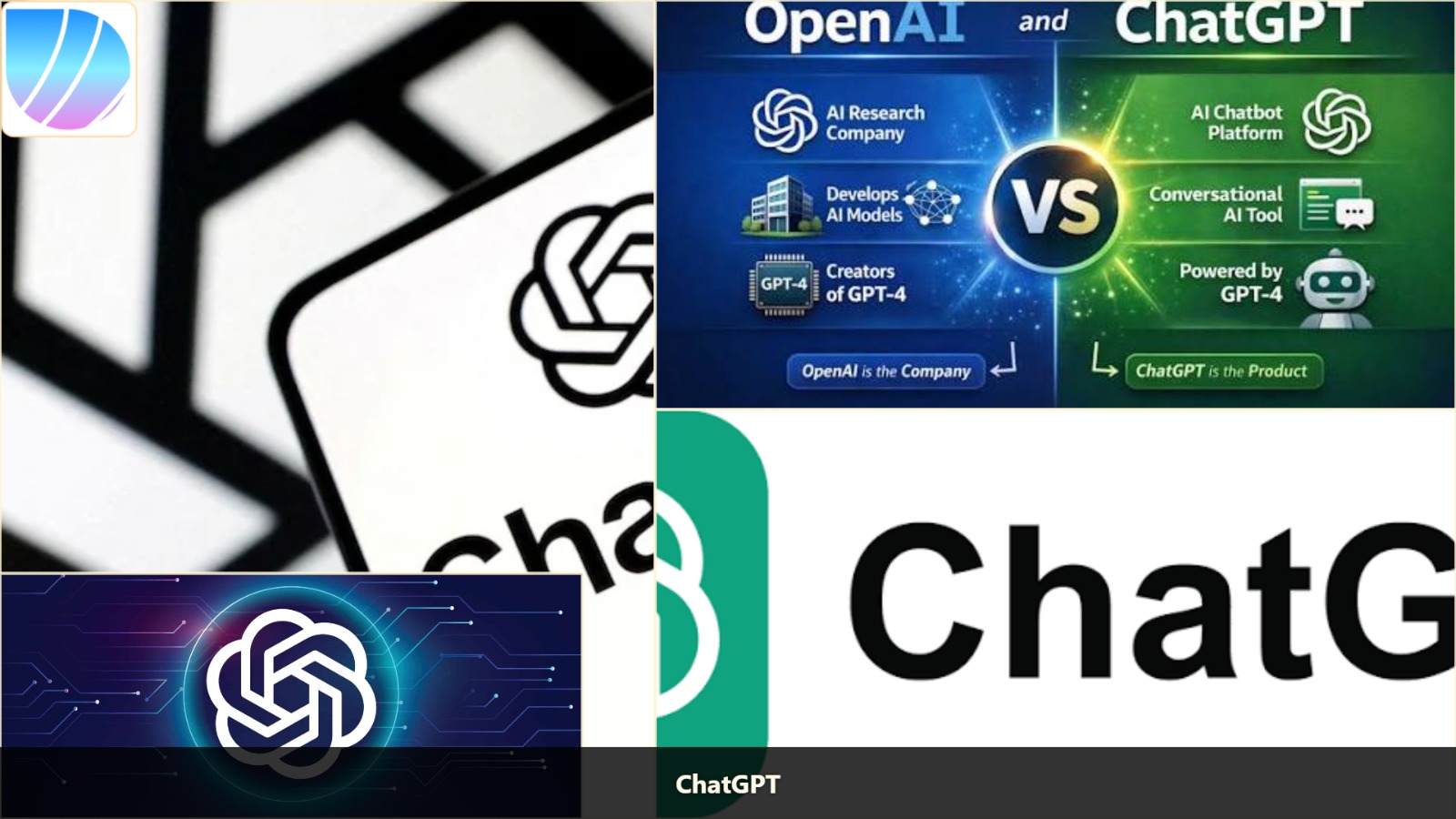
1. ChatGPT
ChatGPT continues to lead the AI revolution by helping users generate content, answer questions, brainstorm ideas, write code, and automate workflows. Developed by OpenAI, this conversational AI has become the go-to assistant for millions worldwide. Its ability to understand context and produce human-like responses makes it invaluable for customer support, content creation, and even creative writing. In 2026, ChatGPT has evolved to handle more complex tasks like data analysis and strategic planning, making it an essential tool across industries.
Key Features:
- Advanced conversational AI
- Content writing and editing
- Coding assistance
- Research support
- Business automation
- Multi-language translation
- Data analysis and interpretation
Why It Matters
Millions of users rely on ChatGPT daily to increase productivity and reduce manual work. Businesses report up to 40% time savings on content-related tasks, while developers use it to debug code and learn new programming languages faster. Its versatility makes it the most widely adopted AI tool in the world.
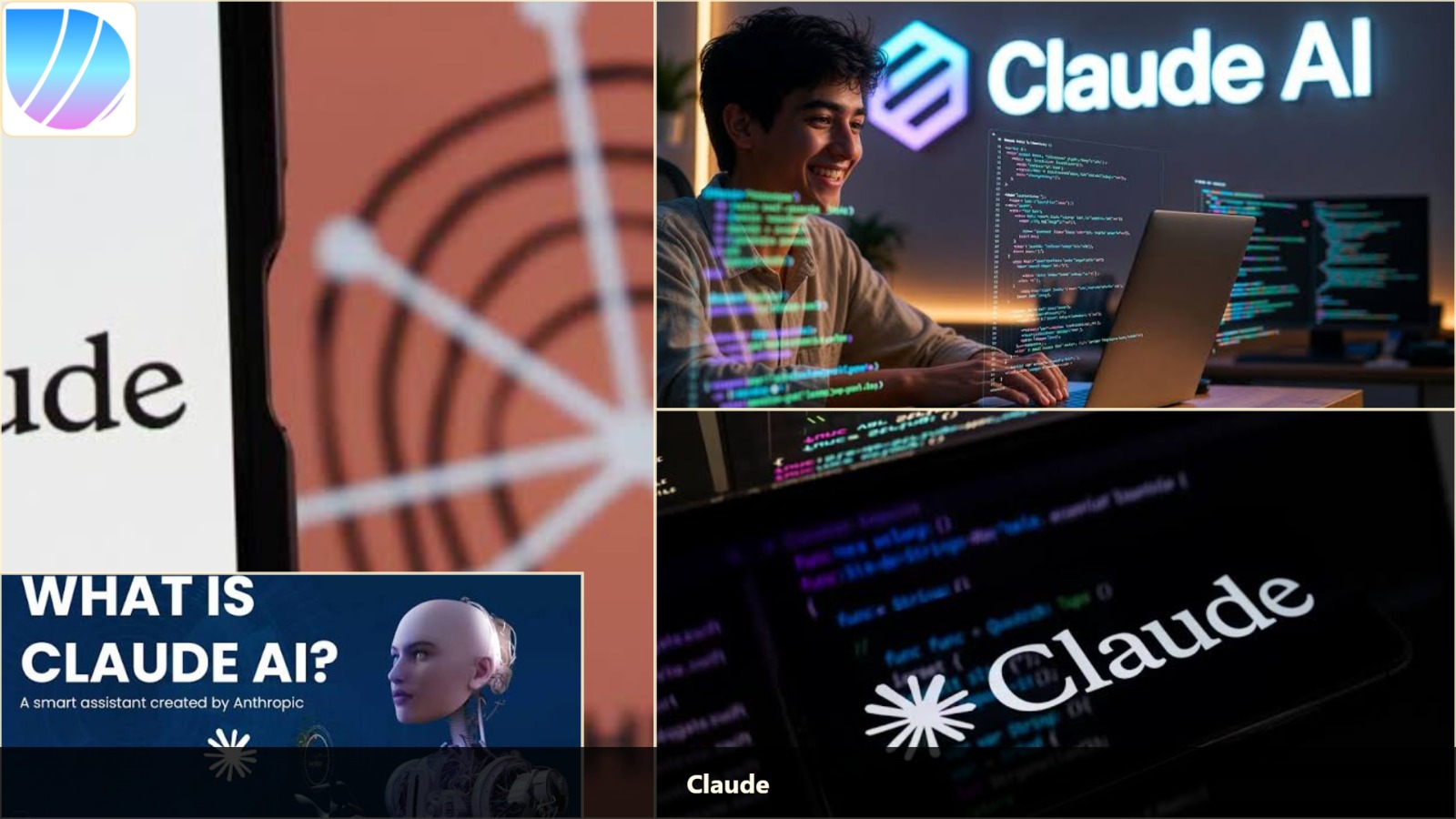
2. Claude
Claude has become a favorite AI assistant for businesses and professionals requiring detailed analysis and long-form document processing. Created by Anthropic, Claude stands out for its exceptional ability to process massive amounts of text—up to 200,000 tokens in a single session. This makes it ideal for reviewing legal documents, analyzing financial reports, and summarizing lengthy research papers. In 2026, Claude's advanced reasoning capabilities and safety-focused design have made it the top choice for enterprises handling sensitive information.
Key Features:
- Long-context understanding (200K+ tokens)
- Document summarization
- Research assistance
- Business reporting
- Ethical AI alignment
- Complex problem-solving
- Data privacy and security
Why It Matters
Claude excels at handling large amounts of information while maintaining accuracy and coherence. Professionals in law, finance, and academia rely on it to process thousands of pages of text in minutes, saving countless hours of manual reading and analysis. Its commitment to safe AI practices also gives organizations peace of mind.
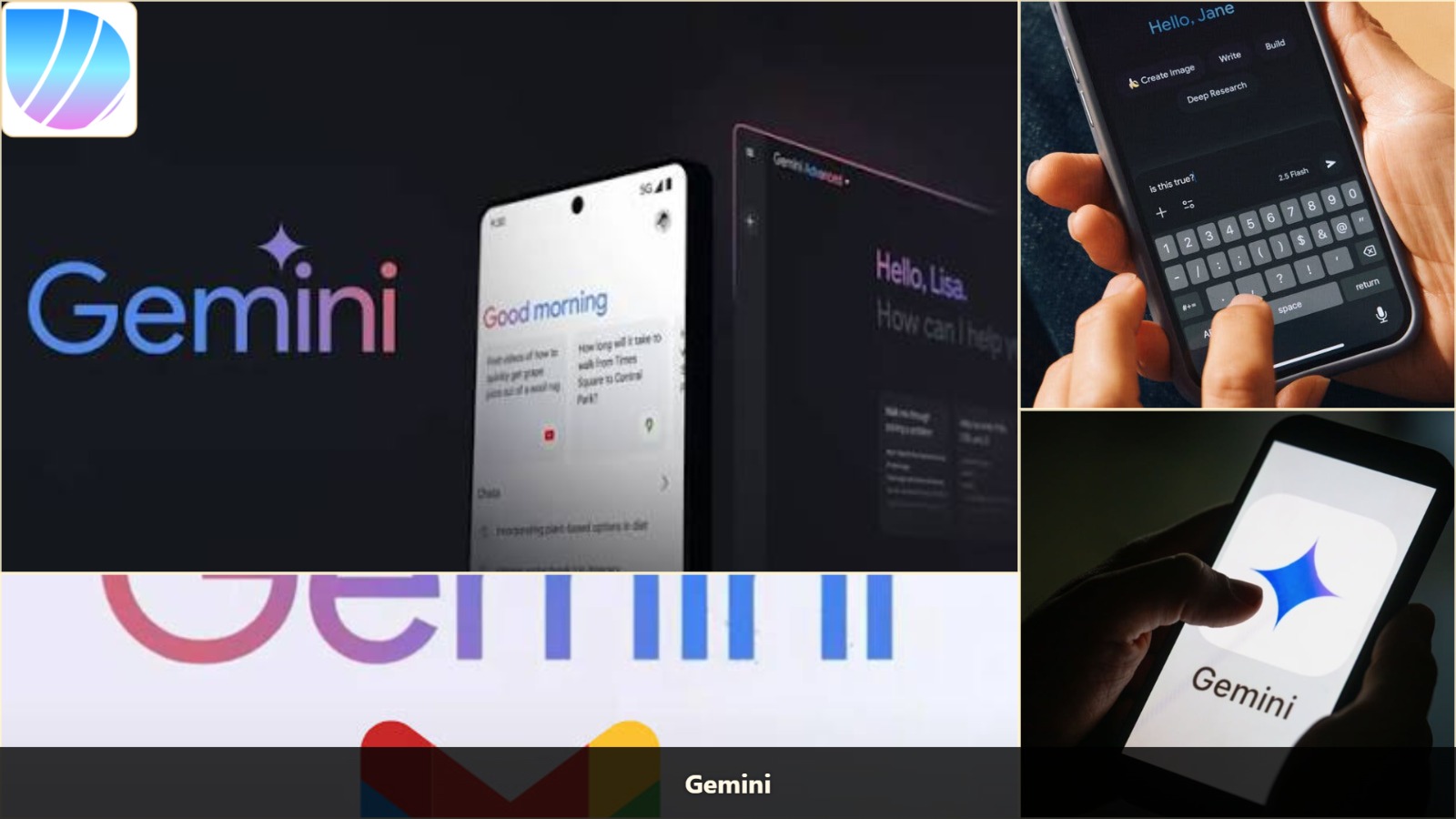
3. Gemini
Gemini offers powerful multimodal capabilities, allowing users to work with text, images, videos, and documents within one AI ecosystem. Developed by Google DeepMind, Gemini represents the next generation of AI assistants that natively understand and generate multiple content formats. Whether you're analyzing charts, editing photos, or summarizing video transcripts, Gemini handles it all seamlessly. In 2026, its deep integration with Google Workspace has made it indispensable for students, researchers, and professionals who need a unified AI solution.
Key Features:
- Image understanding and analysis
- Advanced search integration
- Productivity assistance
- Multi-format content generation
- Real-time collaboration
- Video and audio processing
- Cross-platform compatibility
Why It Matters
Its ability to combine different media formats makes it a versatile tool for modern workflows. Teachers use it to create interactive lessons, marketers generate cross-platform campaigns, and developers build multimodal applications. Gemini's native multimodal architecture sets it apart from tools that require separate models for each content type.

4. Midjourney
Midjourney remains one of the most popular AI image-generation tools in the world. Known for its artistic flair and stunning visual quality, Midjourney has become the preferred choice for designers, artists, and marketers seeking unique and compelling imagery. In 2026, the platform has introduced real-time generation, higher resolution outputs, and advanced style control features that allow users to fine-tune every aspect of their creations. Its thriving community and regular model updates keep it at the forefront of AI art.
Key Features:
- High-quality artwork generation
- Creative concept design
- Marketing visuals
- Social media graphics
- Real-time image creation
- Advanced style customization
- 4K and 8K resolution support
Why It Matters
Designers and content creators can produce professional visuals in minutes instead of hours. Midjourney has democratized graphic design, enabling small businesses and independent creators to compete with large agencies. Its unique artistic style has also inspired new creative movements and made AI art a recognized medium in the contemporary art world.
5. Runway
Runway is revolutionizing video creation through AI-powered editing and generation. This innovative platform brings professional-grade video production tools to anyone with an internet connection. From automatic background removal and motion tracking to text-to-video generation, Runway eliminates the technical barriers that once made video editing difficult. In 2026, Runway's Gen-3 model can generate full-motion, high-definition videos from simple text prompts, opening new possibilities for filmmakers, advertisers, and social media creators.
Key Features:
- AI video generation
- Background removal (green screen without the screen)
- Motion tracking
- Automated editing
- Text-to-video synthesis
- Frame interpolation
- Collaborative editing tools
Why It Matters
Video production is becoming faster, cheaper, and more accessible. Runway empowers independent creators to produce Hollywood-quality content from their laptops. Marketing teams can generate multiple video variants for A/B testing, while educators create engaging visual content without hiring expensive production crews.
6. Perplexity
Perplexity has changed online search by providing direct answers with source references. Unlike traditional search engines that return lists of links, Perplexity synthesizes information from multiple sources and delivers concise, accurate responses with proper citations. In 2026, it has become the go-to research assistant for academics, journalists, and curious minds who demand verifiable information. Its real-time web access and conversational interface make it feel like having a knowledgeable research partner at your side.
Key Features:
- AI-powered search
- Real-time web research
- Source citations and verification
- Fast information retrieval
- Conversational follow-up questions
- Multi-source synthesis
- Citation management tools
Why It Matters
Users spend less time searching and more time finding accurate answers. Perplexity's commitment to transparency and source verification has made it a trusted alternative to traditional search engines. Students complete research projects faster, fact-checkers verify claims efficiently, and professionals stay informed with curated, reliable information.
7. Notion AI
Notion AI helps individuals and teams manage projects, notes, and documentation efficiently. Integrated directly into the popular Notion workspace, this AI assistant enhances productivity by automating routine tasks and providing intelligent suggestions. In 2026, Notion AI has expanded its capabilities to include automated meeting summaries, smart task prioritization, and predictive project planning. Teams can now work smarter, not harder, with AI that understands their workflows and anticipates their needs.
Key Features:
- Content drafting and editing
- Task management and prioritization
- Meeting summaries and action items
- Workflow automation
- Smart database queries
- Project timeline predictions
- Team collaboration insights
Why It Matters
Organizations can streamline productivity without switching between multiple tools. Notion AI reduces the cognitive load of knowledge work by surfacing relevant information and automating repetitive tasks. Teams report faster project completion, better documentation quality, and improved cross-functional collaboration.
8. GitHub Copilot
GitHub Copilot has become a trusted coding companion for developers worldwide. Powered by OpenAI's Codex model, Copilot provides intelligent code suggestions, autocompletions, and even entire function implementations as developers type. In 2026, Copilot has evolved to support all major programming languages, frameworks, and development environments. It can now detect security vulnerabilities, suggest performance optimizations, and even help with architectural decisions, making it an indispensable tool for both novice and experienced developers.
Key Features:
- AI code suggestions and autocompletion
- Bug detection and fixing
- Code completion for entire functions
- Programming assistance in multiple languages
- Security vulnerability scanning
- Performance optimization tips
- Documentation generation
Why It Matters
Developers can write software faster and reduce repetitive coding tasks. Studies show that Copilot improves developer productivity by up to 55%. It reduces cognitive fatigue, helps junior developers learn best practices, and allows experienced engineers to focus on complex architectural problems rather than routine coding.
9. Synthesia
Synthesia allows users to create AI-generated videos with realistic virtual presenters. This groundbreaking platform eliminates the need for cameras, studios, and actors by generating professional videos from text scripts. In 2026, Synthesia offers over 140 AI avatars that speak in more than 120 languages, complete with realistic facial expressions and gestures. Businesses use it for training videos, marketing content, corporate communications, and global localization campaigns with unprecedented speed and cost efficiency.
Key Features:
- AI avatars with realistic expressions
- Text-to-video generation
- Multiple language support (120+ languages)
- Training video creation
- Custom avatar creation
- Screen recording integration
- Collaborative video editing
Why It Matters
Businesses can create professional videos without expensive production equipment. Synthesia reduces video production costs by up to 90% and cuts production time from weeks to hours. Global companies use it to create localized content for different markets, while HR departments produce consistent training materials for distributed workforces.
10. ElevenLabs
ElevenLabs leads the AI voice generation industry with highly realistic speech synthesis. Its advanced deep learning models produce voices that are virtually indistinguishable from human speech, complete with natural intonation, emphasis, and emotional nuance. In 2026, ElevenLabs has expanded its offerings to include voice cloning, dubbing, and multilingual narration. Publishers, content creators, and accessibility advocates use it to transform written content into engaging audio experiences that reach wider audiences.
Key Features:
- Natural voice generation with emotional nuance
- Voice cloning (with consent)
- Audiobook narration
- Podcast production
- Multilingual voice synthesis
- Real-time voice conversion
- Custom voice design
Why It Matters
Content creators can produce high-quality audio content quickly and affordably. ElevenLabs has made professional voiceovers accessible to everyone, from independent podcasters to large media companies. It also plays a crucial role in accessibility, enabling visually impaired users to consume written content through natural-sounding audio and helping preserve languages with limited native speakers.
How AI Is Reshaping the Internet
These tools are transforming the internet in several major ways:
Faster Content Creation
Blog posts, videos, graphics, and social media content can now be produced significantly faster. What once took days or weeks can now be accomplished in hours or minutes. This acceleration has led to an explosion of digital content, making information more abundant and accessible than ever before.
Improved Productivity
AI reduces repetitive work and helps professionals focus on high-value tasks. By automating mundane activities like data entry, scheduling, and basic research, AI frees up human creativity and problem-solving skills for more meaningful contributions. Organizations report significant gains in employee satisfaction as people spend less time on drudgery and more time on engaging work.
Better User Experiences
Websites and applications provide smarter, more personalized interactions. AI-powered recommendation engines, chatbots, and adaptive interfaces make digital experiences feel tailored to individual preferences and needs. This personalization leads to higher engagement, improved customer satisfaction, and stronger brand loyalty.
Increased Accessibility
AI-powered translation, voice generation, and automation make digital content more accessible globally. Language barriers are falling as real-time translation becomes seamless. Visual content gains descriptive audio, and written content becomes audio-enabled, allowing people with disabilities to participate fully in the digital economy.
Democratization of Skills
AI tools are leveling the playing field, allowing individuals without formal training to create professional-quality work. A small business owner can now produce marketing materials that rival those of large corporations. A student can build a functional app without years of coding experience. This democratization is unlocking human potential on a global scale.
Conclusion
The internet in 2026 is increasingly powered by artificial intelligence. From content creation and design to research and software development, AI tools are helping people work smarter and achieve more in less time. The ten tools highlighted in this article represent the vanguard of a technological movement that is redefining productivity, creativity, and accessibility.
As AI technology continues to evolve, businesses and individuals who embrace these innovations will have a significant advantage in the digital landscape. The pace of improvement shows no signs of slowing—each year brings more capable models, more intuitive interfaces, and more transformative applications. Whether you're creating content, building software, running a business, or simply exploring new technology, these 10 AI tools are worth watching closely and incorporating into your daily workflow.